


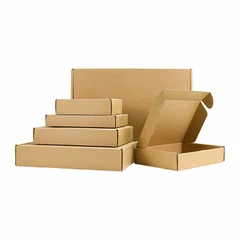

As a supplier of Home Appliance Packaging Boxes, I've seen firsthand the importance of ensuring the safety of home appliances during transportation. It's not just about getting the product from point A to point B; it's about making sure it arrives in perfect condition. In this blog, I'll share some tips and tricks on how to do just that.
Understanding the Risks
First off, we need to understand the risks that home appliances face during transportation. There are a few main culprits:


- Vibration: Trucks, trains, and even planes can cause a lot of vibration. This can loosen parts inside the appliance, or even cause them to break.
- Shock: Bumps, drops, and sudden stops can all cause shock to the appliance. This can damage delicate components, like circuit boards or glass screens.
- Moisture: If the packaging isn't waterproof, moisture can seep in and damage the appliance. This is especially a problem in humid climates or during long - distance shipping.
- Temperature changes: Extreme heat or cold can affect the performance and durability of home appliances. For example, cold temperatures can make plastic parts brittle, while heat can cause overheating and damage to internal components.
Choosing the Right Packaging Materials
The right packaging materials are crucial for protecting home appliances. Here are some materials I recommend:
- Corrugated cardboard: This is a staple in the packaging industry. It's strong, lightweight, and can be easily customized to fit the shape of the appliance. Corrugated cardboard provides good cushioning against shock and vibration.
- Foam inserts: Foam is great for providing extra cushioning. You can use foam inserts to fill in the empty spaces around the appliance, preventing it from moving around inside the box. There are different types of foam, like polyethylene foam and polyurethane foam, each with its own properties.
- Plastic wraps and films: Plastic wraps can help protect the appliance from moisture and dust. They can also provide an extra layer of protection against scratches. For example, stretch wrap can be used to secure the appliance to the pallet or inside the box.
Designing the Packaging Box
The design of the packaging box is just as important as the materials. Here are some design considerations:
- Size: The box should be the right size for the appliance. If it's too big, the appliance will have too much room to move around. If it's too small, the appliance may not fit properly, and it could get damaged during packing.
- Shape: The box should be designed to fit the shape of the appliance. For example, a flat - screen TV will need a different box design than a refrigerator. The box should have compartments or cut - outs to hold the appliance securely in place.
- Reinforcement: The corners and edges of the box are the most vulnerable parts. Reinforcing them with corner protectors or extra layers of cardboard can prevent damage during handling.
Securing the Appliance Inside the Box
Once the box is designed and the materials are chosen, it's time to secure the appliance inside the box. Here's how:
- Use straps or bands: Straps can be used to hold the appliance in place. They should be tight enough to prevent movement but not so tight that they damage the appliance.
- Fill empty spaces: Use foam inserts or packing peanuts to fill any empty spaces inside the box. This will prevent the appliance from shifting during transportation.
- Protect delicate parts: If the appliance has delicate parts, like a glass screen or a protruding antenna, use additional padding to protect them. You can use foam pads or soft cloths.
Labeling and Handling Instructions
Proper labeling and handling instructions are essential for ensuring the safety of home appliances during transportation. Here's what you should include:
- Fragile labels: Clearly mark the box as "Fragile" to alert handlers to be careful.
- Handling instructions: Provide instructions on how to handle the box, such as "This Side Up" or "Do Not Stack".
- Product information: Include information about the appliance, such as its make, model, and serial number. This will help in case of any issues during transportation.
Working with Logistics Partners
As a packaging box supplier, I often work closely with logistics partners. It's important to choose a reliable logistics company that has experience in transporting home appliances. Here are some things to consider:
- Reputation: Look for a logistics company with a good reputation for handling fragile and valuable items.
- Insurance: Make sure the logistics company offers insurance for the shipped items. This will protect you and your customers in case of any damage during transportation.
- Tracking: Choose a logistics company that provides tracking services. This will allow you and your customers to monitor the progress of the shipment.
Additional Resources
If you're interested in other types of packaging for electronic products, you can check out these links:
Conclusion
Ensuring the safety of home appliances in packaging boxes during transportation is a multi - step process. It involves understanding the risks, choosing the right materials, designing the box properly, securing the appliance, providing clear labeling and handling instructions, and working with reliable logistics partners. By following these steps, you can minimize the risk of damage and ensure that your home appliances arrive at their destination in perfect condition.
If you're in the market for high - quality Home Appliance Packaging Boxes, I'd love to have a chat with you. Whether you're a manufacturer, a retailer, or an e - commerce seller, we can work together to create the perfect packaging solution for your needs. Reach out to start a conversation about your packaging requirements.
References
- Packaging Machinery Manufacturers Institute (PMMI). (2023). Packaging materials and design best practices.
- International Safe Transit Association (ISTA). (2023). Testing standards for packaging and shipping.