


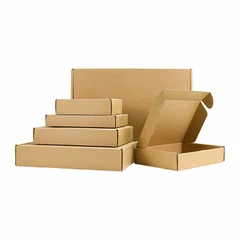
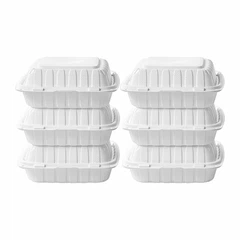
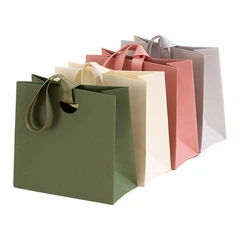
Single - use packaging has become a ubiquitous part of modern life, and its role in municipal solid waste is a topic of increasing concern. As a single - use packaging supplier, I've witnessed firsthand the widespread use and the subsequent waste generation associated with these products. In this blog, I'll explore whether single - use packaging is a significant part of municipal solid waste, examining the data, the reasons for its prevalence, and potential solutions.
The Prevalence of Single - Use Packaging
Single - use packaging is everywhere. From the Disposable Cutlery Pack you get with your takeout meal to the Disposable Plastic Tiffin Boxes used to store leftovers, and the Disposable Place Mat at a picnic, these items are designed for one - time use and then discarded.
The convenience factor is a major driver of the popularity of single - use packaging. In a fast - paced world, consumers often opt for products that are easy to use and dispose of. For businesses, single - use packaging can also be cost - effective, as it eliminates the need for cleaning and reuse. However, this convenience comes at a cost to the environment.
Single - Use Packaging in Municipal Solid Waste
Municipal solid waste (MSW) consists of everyday items discarded by the public. It includes everything from household trash to commercial waste. Single - use packaging makes up a significant portion of MSW. According to studies, plastics, which are a major component of single - use packaging, account for about 12% of the total MSW in the United States. This percentage is even higher in some urban areas where the consumption of single - use products is more prevalent.


The problem is not just the volume of single - use packaging in MSW but also its durability. Many single - use plastics can take hundreds of years to decompose in landfills. This means that the waste accumulates over time, contributing to the growing problem of landfill space shortage.
Reasons for the Significance of Single - Use Packaging in MSW
There are several reasons why single - use packaging has become such a significant part of municipal solid waste.
Consumer Behavior
Consumers are accustomed to the convenience of single - use products. The on - the - go lifestyle has led to an increased demand for disposable items. For example, the rise of food delivery services has led to a surge in the use of single - use packaging for food. Consumers are often willing to pay a premium for the convenience of having their meals delivered in disposable containers.
Business Practices
Businesses also play a role in the prevalence of single - use packaging. In many cases, it is more cost - effective for companies to use single - use packaging rather than invest in reusable alternatives. For example, a small coffee shop may find it more economical to use disposable cups rather than provide reusable ones, as it eliminates the need for cleaning and storage.
Lack of Awareness
Many consumers are not fully aware of the environmental impact of single - use packaging. They may not understand the long - term consequences of discarding these items, such as the pollution of waterways and the harm to wildlife. This lack of awareness can lead to continued use and disposal of single - use products.
The Impact on the Environment
The environmental impact of single - use packaging in municipal solid waste is far - reaching.
Landfill Space
As mentioned earlier, single - use packaging takes up a significant amount of landfill space. With the increasing population and consumption, landfills are filling up at an alarming rate. This not only poses a problem for waste management but also has implications for the environment, as landfills can release greenhouse gases such as methane, a potent contributor to climate change.
Pollution
Single - use packaging, especially plastics, can also cause pollution. When these items are not properly disposed of, they can end up in waterways, where they break down into microplastics. These microplastics can be ingested by marine life, leading to health problems and even death. They can also enter the food chain, potentially affecting human health.
Potential Solutions
While single - use packaging is a significant part of municipal solid waste, there are potential solutions to mitigate its impact.
Recycling
Recycling is one of the most effective ways to reduce the amount of single - use packaging in landfills. However, the recycling rate for single - use plastics is relatively low. This is due in part to the complexity of recycling different types of plastics and the lack of infrastructure in many areas. To improve recycling rates, governments and businesses need to invest in better recycling facilities and educate consumers about proper recycling practices.
Reusable Alternatives
Encouraging the use of reusable alternatives is another solution. For example, businesses can offer discounts to customers who bring their own reusable containers or cups. Consumers can also make a conscious effort to choose reusable products over single - use ones. This could include using reusable shopping bags, water bottles, and food containers.
Biodegradable Packaging
Biodegradable packaging is another option. These materials are designed to break down more quickly in the environment, reducing the amount of waste that ends up in landfills. However, it's important to note that not all biodegradable packaging is created equal. Some may require specific conditions to break down, such as high temperatures or the presence of certain microorganisms.
Conclusion
Single - use packaging is indeed a significant part of municipal solid waste. Its prevalence is driven by consumer behavior, business practices, and a lack of awareness. The environmental impact of single - use packaging is substantial, including landfill space issues and pollution. However, there are solutions available, such as recycling, the use of reusable alternatives, and biodegradable packaging.
As a single - use packaging supplier, I understand the challenges and opportunities in this area. We are committed to working with our customers to find more sustainable solutions. If you are interested in learning more about our single - use packaging products or exploring sustainable alternatives, I encourage you to reach out to us for a procurement discussion.
References
- EPA. (2023). Municipal Solid Waste in the United States: Facts and Figures.
- Jambeck, J. R., et al. (2015). Plastic waste inputs from land into the ocean. Science, 347(6223), 768 - 771.
- Geyer, R., Jambeck, J. R., & Law, K. L. (2017). Production, use, and fate of all plastics ever made. Science Advances, 3(7), e1700782.