

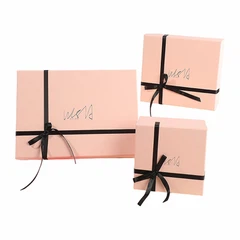
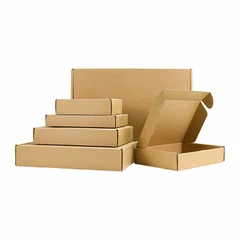


Hefei Maohua Printing produces printed and decorated paper packaging for gift sets, electronics and luxury retail. Our scope covers offset and digital printing, lamination, hot foil stamping, embossing, debossing and spot UV. These processes finish folding cartons and rigid-box wraps, with artwork carried across lids, sleeves, side panels and interior surfaces.
Our structural dielines account for board thickness and wrapping allowances. Prepress processing maps the artwork to that structure and separates printed graphics from finishing information, connecting the unfolded layout with the assembled box
- Dieline & panel alignment
- Layout review checks the reading direction of lid, side and interior panels, plus text and logo positions relative to cuts, creases and turn-ins. Structural guides remain on a non-printing layer; graphics follow the visible panel rather than the full wrap outline.
- Font & image preflight
- Preflight checks identify missing fonts, broken image links and insufficient resolution at the final print size. Outlined lettering prevents font substitution; embedded images keep the artwork complete, and vector logos preserve their contours without rasterization.
- Color & output separation
- CMYK graphics, named spot inks and non-printing guides have distinct output roles. Separation review identifies unintended ink colors and keeps structural lines and finish masks out of the printed graphics, while retaining specified spot inks as separate colors.
- Finishing masks & alignment
- Foil, embossing, debossing and spot UV masks share the print layout's scale and coordinates. Overlay comparison checks their position and orientation against the corresponding graphics; foil masks use solid vector shapes rather than gradients or soft edges.

1:1
Artwork scale
300 ppi
Minimum raster resolution
at final print size
AI / PDF / EPS
Vector artwork formats

Full-color imagery Defined brand colors.
- CMYK for photographs & gradients
- Four process inks reproduce product images, tonal shading and multicolor illustrations. Image detail is built from halftone dots rather than a separate ink for every shade.
- Spot inks for logos & solid backgrounds
- A premixed ink creates a defined brand color without building it from four separate screens. This suits large color fields and matching marks across a packaging range.
- Fine text & graphic edges
- Single-ink fine lettering avoids the colored fringes that occur when multiple ink separations fall out of register. Vector linework preserves the shape of small symbols and logos.
Matte, gloss and soft-touch lamination define the overall surface appearance: matte reduces glare, gloss deepens color, and soft-touch adds a velvety feel. Hot foil stamping applies metallic accents to logos, borders and lettering, while embossing and debossing create raised or recessed details. Spot UV adds gloss to selected areas, forming a clear contrast against matte surfaces.


- Smooth coated papers
- A level print surface supports detailed images and consistent contact under a foil die. Use coated white paper for artwork that relies on clean highlights and precise color detail.
- Textured specialty papers
- Pronounced grain interrupts fine foil strokes and narrow gaps. Broader motifs and more open spacing retain definition while leaving the paper texture visible.
- Kraft & colored stocks
- The base shade influences transparent printing inks. Black graphics read clearly on brown kraft; photographic color is better placed on a white print surface. Unprinted areas retain the stock's own shade.
Process combinations & finished appearance
- Texture-led gift packaging
- Ivory specialty paper with no flood printing and a blind-embossed motif. The paper provides the color; the raised contour supplies the detail without a metallic or gloss accent.
- Foil-accented presentation packaging
- Dyed navy paper with gold foil linework and no printed background. The colored stock forms the base, while the reflective motif concentrates attention on the front face.
- Contrast-led electronics packaging
- Black-printed coated wrap with matte lamination and selective UV. The print establishes the base color, the film controls the overall sheen, and the clear coating defines the gloss pattern.
